
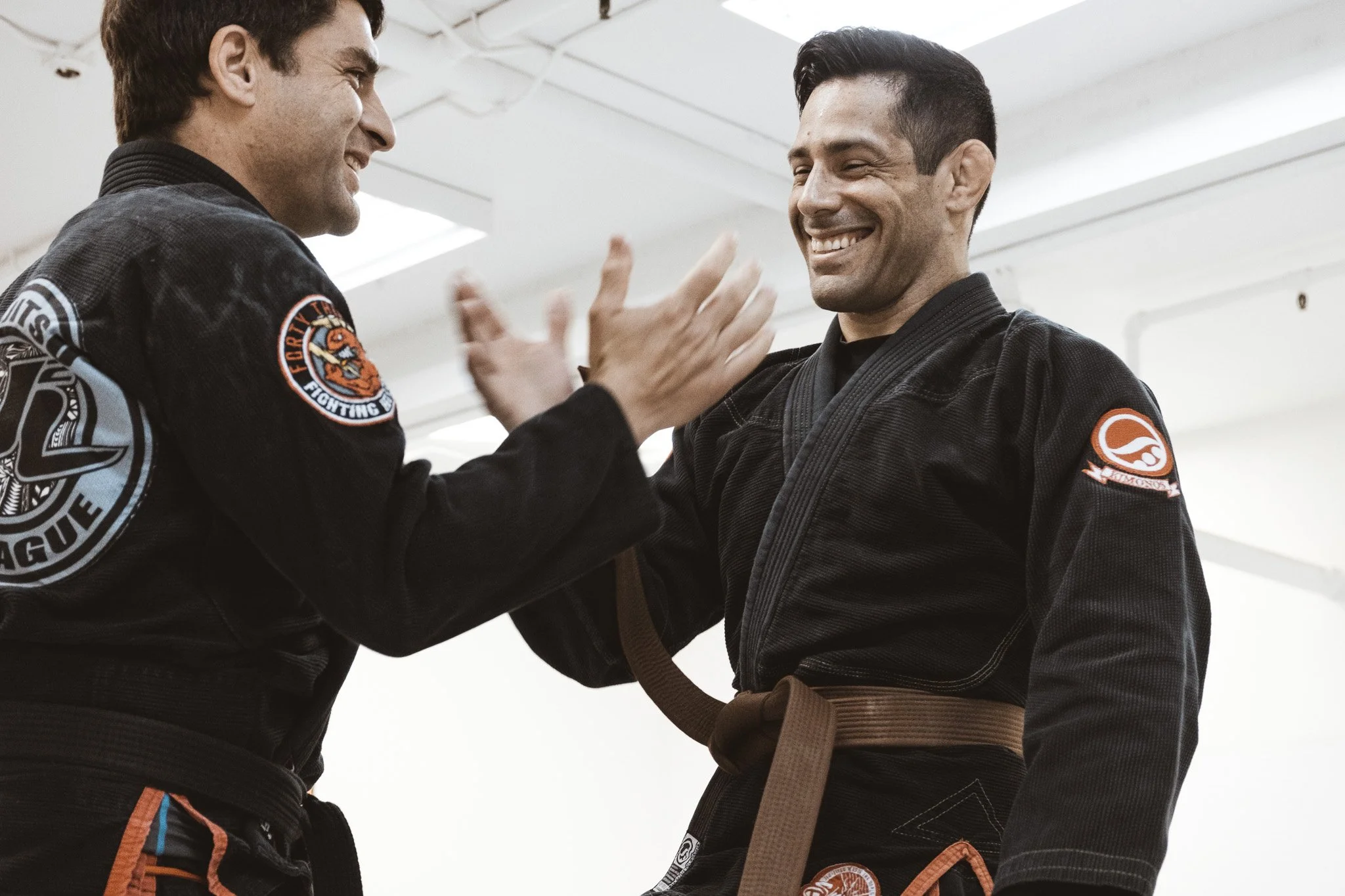
You did it. You stepped onto the mats, survived the warm-ups (what even is shrimping?), learned your first technique, and walked out of the academy feeling a unique blend of exhilaration and exhaustion. Congratulations are in order—you’ve officially completed your first jiu-jitsu class.
Now, reality sets in. The alarm goes off the next morning, and muscles you didn’t know existed are loudly announcing their presence. This “mat soreness” is a rite of passage. It’s your body adapting to a new, wonderful challenge.
Don’t let it scare you away. Smart recovery is your secret weapon for turning those first-day aches into long-term strength. Here’s your essential at-home recovery toolkit to feel better faster and keep you coming back for more.
The Golden Rule: Recovery Starts Before You Leave the Gym
· Hydrate: Drink water immediately after class. Your muscles need it.
· Gentle Stretch: Take 5 minutes after class to do some basic, static stretches for your legs, back, and shoulders. Don’t force it—just ease into it.
---
Your At-Home Recovery Arsenal
1. The Soother: Epsom Salt Bath
This is the new white belt’s best friend. Epsom salt (magnesium sulfate) can help soothe sore muscles, reduce inflammation, and promote relaxation. The warm water itself is a balm for tired joints.
· How-To: Dissolve 2 cups of Epsom salt in a warm bath. Soak for 15-20 minutes. Do this the night of your first class. Light a candle, put on some music, and let your nervous system unwind.
2. The Muscle Whisperer: Foam Roller & Lacrosse Ball
You’ll discover knots in your upper back, lats, and glutes you never knew you had. This is myofascial release—a fancy term for self-massage to break up tightness.
· Foam Roller (Basic): Gently roll your quads, hamstrings, IT bands, and upper back. Go slowly. When you find a tender spot, pause and take a few deep breaths. Don’t torture yourself—gentle pressure is key.
· Lacrosse Ball (Advanced Targeting): Perfect for digging into smaller, stubborn areas. Place it between your shoulder blade and spine and lean against a wall. Use it under your glutes or on the soles of your feet.
3. The Mobility Master: Simple Stretching Routine
Forget complex yoga poses. Focus on the areas jiu-jitsu hits hardest: hips, spine, and neck.
· 90/90 Hip Stretch: Sit on the floor. Place one leg in front, bent at 90 degrees, the other to the side, also bent at 90. Gently lean forward. Hold for 30 seconds per side. This is gold for your guard.
· Cat-Cow: On hands and knees, alternate between arching your back (cow) and rounding it (cat). 10 reps. Great for spinal mobility.
· Gentle Neck Rolls: Slowly and with control, tilt your ear to your shoulder. Never do full, aggressive circles.
4. The Fuel: Post-Class Nutrition
Your body is begging for resources to repair. What you eat at home matters.
· The 30-60 Minute Window: Try to have a snack or meal with protein and some carbs within an hour of training.
· Easy At-Home Option: A scoop of protein powder in water or milk, paired with a banana. Or, scramble some eggs with a slice of toast. Keep it simple and replenishing.
5. The Game-Changer: Sleep
This is non-negotiable. Muscle repair, memory consolidation (yes, you’re learning physical and mental skills), and hormone regulation happen during sleep. Aim for 7-8 hours, especially after training. Your body will thank you in the morning.
---
What to Expect & Red Flags
· Normal: General muscle soreness (Delayed Onset Muscle Soreness - DOMS), feeling tired, a sense of mental fog from processing so much new information.
· Not Normal: Sharp, shooting pain in a joint (shoulder, knee, elbow), inability to move a limb through its normal range, or persistent pain that gets worse after 2-3 days. Listen to your body. If something feels injured, not just sore, rest it and consult a professional.
The Mental Recover
Your brain just got a workout, too. You were overwhelmed with new names, positions, and sensations. This is normal.
· Journal One Thing: Before bed, write down one technique you learned. Not to memorize it perfectly, but to signal to your brain that this information is important. It will aid in retention.
· Be Kind to Yourself: You weren’t supposed to be good. You were supposed to show up. Mission accomplished.
Recovery isn’t a sign of weakness; it’s the hidden training that happens off the mats. It’s what allows you to show up again next class a little stronger, a little more mobile, and a lot more ready to learn. By investing 20-30 minutes in these simple at-home practices, you’re not just soothing sore muscles—you’re building the foundation for a long and healthy jiu-jitsu journey.
Welcome to the tribe. Now, go take that Epsom salt bath. You’ve earned it.